The climactic confrontation between Tirion Fordring and Arthas Menethil in World of Warcraft: Wrath of the Lich King represents a pivotal moment in the game’s lore. This encounter not only signifies the culmination of a long-standing conflict but also serves as a narrative device that seals Arthas’s fate forever. Understanding the mechanics and implications of this moment is crucial for fans and players alike, as it encapsulates themes of redemption, sacrifice, and the eternal struggle between good and evil.

What led to Tirion Fordring’s decisive strike against Arthas?
The decisive strike by Tirion Fordring against Arthas was the result of a culmination of personal sacrifice, the gathering of allies, and the unyielding power of the Ashbringer.
The narrative leading up to this moment is steeped in tragedy and heroism. Tirion Fordring, once a paladin of the Silver Hand, faced immense trials that tested his faith and resolve. His journey from a fallen paladin to a beacon of hope culminated in the discovery of the Ashbringer, a weapon imbued with holy power. The stakes were high, as Arthas, the Lich King, represented not only a personal foe but a threat to all of Azeroth. The emotional weight of their confrontation was amplified by the history between them, making Tirion’s strike not just a physical blow but a symbolic act of justice.
- Understand Tirion’s backstory and his transformation from a fallen paladin to a hero.
- Recognize the significance of the Ashbringer and its lore in the context of the battle.
- Explore the emotional and narrative stakes involved in the confrontation.
- Analyze the role of allies and their contributions leading up to the final strike.
How did the mechanics of the Ashbringer contribute to sealing Arthas’s fate?
The mechanics of the Ashbringer, particularly its holy attributes and the culmination of Tirion’s faith, played a critical role in sealing Arthas’s fate.
The Ashbringer is not merely a weapon; it embodies the essence of light and justice. Its mechanics are designed to counteract the dark powers of the Lich King. When Tirion wielded the Ashbringer, he activated its latent abilities, which are specifically tailored to combat undead and dark entities. The weapon’s unique properties allowed Tirion to channel holy energy, which was essential in overcoming Arthas’s formidable defenses. This moment was not just about physical strength; it was a manifestation of Tirion’s unwavering faith and the collective hope of those who stood against the Lich King.
In gameplay terms, the Ashbringer’s mechanics can be analyzed through its damage output against undead foes, which is significantly higher than against living targets. This is reflected in the lore, where the weapon is said to have the ability to cleanse the souls of the undead it strikes. Tirion’s final strike was thus amplified by the Ashbringer’s mechanics, making it a calculated and powerful blow that resonated with the themes of redemption and justice. The combination of Tirion’s resolve and the Ashbringer’s power created a perfect storm that sealed Arthas’s fate.
What were the immediate consequences of Tirion’s strike on Arthas?
The immediate consequences of Tirion’s strike on Arthas included the shattering of the Lich King’s power and the liberation of countless souls trapped in his grasp.
Tirion’s strike not only physically incapacitated Arthas but also symbolically shattered the hold he had over the Scourge and the undead. The moment the Ashbringer made contact, a wave of holy energy surged forth, purging the darkness that enveloped Arthas. This act of defiance against the Lich King was not merely a victory for Tirion but a liberation for all those who had suffered under Arthas’s reign of terror. The souls of the fallen were freed, and the balance of power in Azeroth shifted dramatically.
What are the key elements of the Ashbringer’s lore and mechanics?
The key elements of the Ashbringer’s lore and mechanics include its historical significance, its unique properties against undead, and its role in the battle against the Lich King.
The following table summarizes the essential aspects of the Ashbringer, highlighting its attributes, historical context, and gameplay mechanics that contributed to the sealing of Arthas’s fate.
| Element | Description | Gameplay Mechanics | Historical Significance |
|---|---|---|---|
| Ashbringer | A legendary sword wielded by Tirion Fordring. | Increased damage to undead; holy damage. | Symbol of hope against the Scourge. |
| Tirion Fordring | A pivotal character in the fight against the Lich King. | Ability to channel holy energy. | Represents redemption and sacrifice. |
| Arthas Menethil | The Lich King, antagonist of the expansion. | Mastery of necromancy and control over the undead. | Embodiment of corruption and tragedy. |
How did the environment influence the final battle between Tirion and Arthas?
The environment of Icecrown Citadel played a crucial role in the final battle, affecting the dynamics of the confrontation and the emotional weight of the moment.
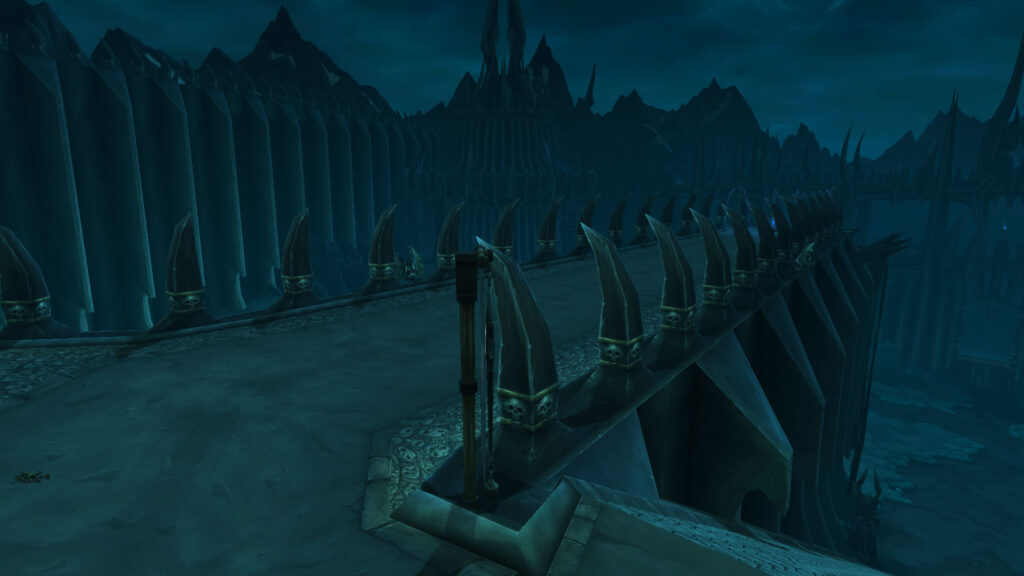
The Icecrown Citadel, with its foreboding architecture and dark atmosphere, served as the perfect backdrop for the climactic showdown. The oppressive nature of the citadel amplified the stakes, as it was the heart of Arthas’s power. The environment was not just a setting; it was a character in its own right, influencing the emotions of the combatants and the players. The icy terrain and the looming presence of the Lich King’s throne added to the tension, making Tirion’s eventual victory all the more poignant.
What are the long-term implications of Tirion’s victory over Arthas?
Tirion’s victory over Arthas has profound long-term implications for the lore of World of Warcraft and the ongoing battle between light and darkness.
The defeat of Arthas marked a significant turning point in the lore of Azeroth, leading to a shift in the balance of power. The consequences of this battle reverberated throughout the game, influencing future expansions and the ongoing narrative. Tirion’s actions not only liberated the souls trapped by Arthas but also inspired a new generation of heroes to rise against the forces of darkness. This victory serves as a reminder of the enduring struggle between good and evil, and the sacrifices required to maintain that balance.
Frequently Asked Questions
What is the significance of the Ashbringer in World of Warcraft lore?
The Ashbringer is a legendary sword that symbolizes hope and justice against the forces of darkness. Its history is intertwined with key characters like Tirion Fordring and represents the eternal struggle between good and evil in the game’s narrative.
How did Tirion Fordring become the wielder of the Ashbringer?
Tirion Fordring became the wielder of the Ashbringer after a series of trials that tested his faith and resolve. He discovered the sword during his quest to defeat the Lich King, embodying the ideals of a true paladin.
What were the consequences of Arthas’s defeat for the Scourge?
Arthas’s defeat led to the liberation of countless souls trapped in his grasp and significantly weakened the Scourge’s power. This event marked a turning point in the ongoing battle against undead forces in Azeroth.
How did the final confrontation affect the future of Azeroth?
The final confrontation between Tirion and Arthas set the stage for future conflicts in Azeroth, influencing the narrative of subsequent expansions and inspiring new heroes to rise against the forces of darkness.